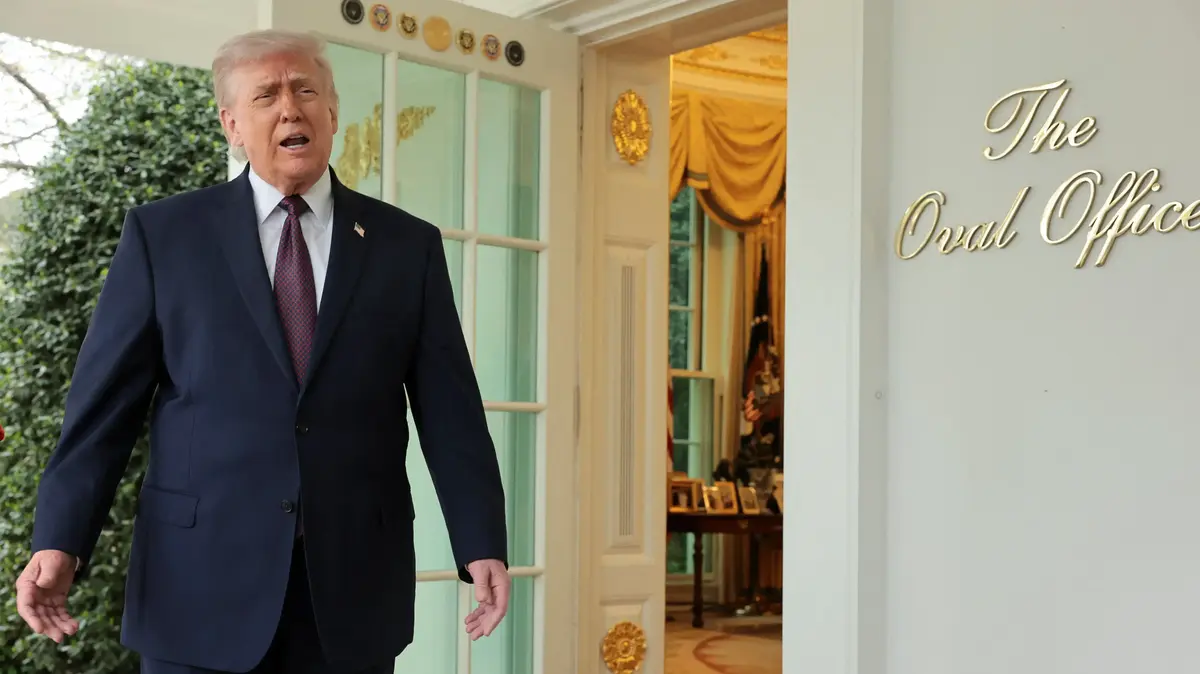
נשיא ארצות הברית, דונלד טראמפ, אמר היום (שבת) בתדרוך בבית הלבן: "המו"מ עם איראן מתפתח טוב מאוד, נראה מה יהיה עד סוף היום. הם ניסו להיות קצת "חכמולוגים", כמו שהם עושים כבר 47 שנה - אבל אף אחד אף פעם...
נשיא ארצות הברית, דונלד טראמפ, אמר היום (שבת) בתדרוך בבית הלבן: "המו"מ עם איראן מתפתח טוב מאוד, נראה מה יהיה עד סוף היום. הם ניסו להיות קצת "חכמולוגים", כמו שהם עושים כבר 47 שנה - אבל אף אחד אף פעם לא התמודד איתם באמת. אנחנו התמודדנו איתם".
באשר למאבק על השליטה במצר הורמוז, ציין כי: "הם רצו לסגור שוב את המצר, כמו שהם עשו במשך שנים, אבל הם לא יכולים לסחוט אותנו. למעשה, הרבה מהספינות מגיעות עכשיו לטקסס וללואיזיאנה".
"אבל זה גם מתפתח בצורה טובה מאוד, נקבל מידע עד סוף היום", חתם.
במקביל, באיראן טענו שמצר הורמוז נסגר מחדש על ידם, וזאת בעקבות המצור האמריקני. הפיקוד הצבאי המשותף של איראן הכריז כי "השליטה על מצר הורמוז חזרה למצבה הקודם" וזאת "תחת ניהול ופיקוח קפדניים של הכוחות המזוינים". באיראן איימו כי ימשיכו לחסום את השיט דרך המצר כל עוד המצור האמריקני על נמלי איראן יישאר בתוקף.
עוד חידד מפקד הצבא הפקיסטני בערוץ הסעודי אל-חדת' כי איראן הודיעה שלא תוותר על תוכנית הטילים שלה. זמן קצר לאחר מכן, המועצה העליונה לביטחון לאומי של איראן מסרה כי לאחר תיווך של פקיסטן בימים האחרונים, הועלו הצעות חדשות מצד ארה"ב, שאיראן שוקלת וכי טרם השיבה עליהן - כך דווח בטלוויזיה הממלכתית.
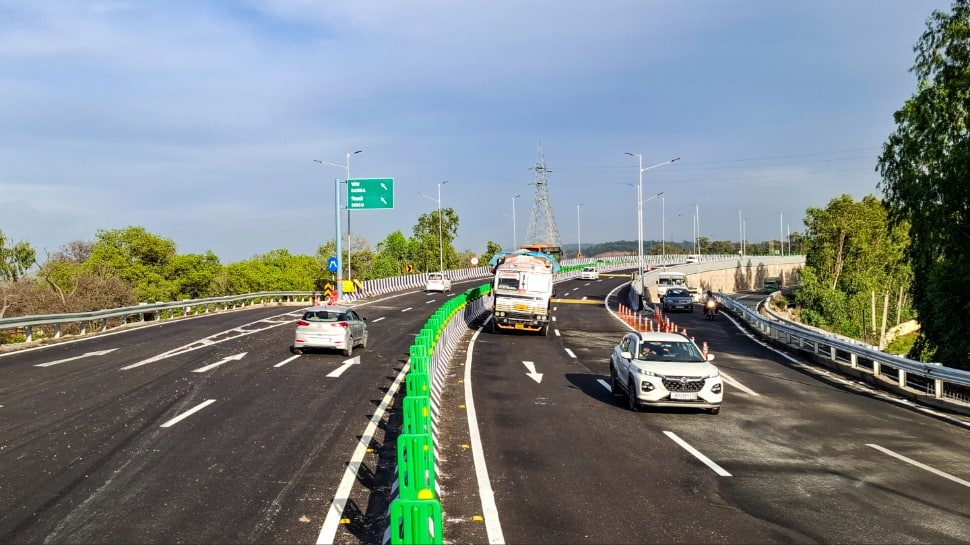
The 63-km Lucknow-Kanpur Expressway is set to open on April 28, 2026. Travel from Lucknow to Kanpur in just 35 minutes. Check the official NHAI toll rates for cars, SUVs, and trucks here.
lucknow kanpur expressway
april 28
nhai
travel time
toll rates
speed limit